
The right response is rarely “grab a saw.” It is assessment first, then making the area safe, then removing or stabilising the tree with the correct equipment and permissions.
What counts as an emergency tree removal in St Ives?
Emergency tree removal St Ives is required when a tree, limb, or uprooted root plate creates an immediate risk to life, buildings, roads, or essential access. Common examples include trees leaning onto homes, hanging branches over driveways, or failures that block a public path.
It can also be an emergency when a damaged tree is likely to fall with the next gust, even if it has not collapsed yet. In these situations, emergency tree removal in St Ives should be treated as urgent, not optional, as trained crews classify “imminent failure” as a high-priority safety risk.
What should they do first after storm damage?
They should keep people away, assume the tree is unstable, and stop anyone from standing under hangers or near a lifted root plate. If power lines are involved, they should stay well clear and contact the electricity network operator immediately.
They should take photos from a safe distance for insurance and records. If a road or footpath is obstructed, they should report it to the relevant authority and avoid attempting removal without traffic control.
How do they know if a damaged tree is unsafe?
Clear warning signs include cracking sounds, fresh splits in the trunk, a suddenly leaning stem, soil heaving around the base, and large broken limbs lodged in the canopy. Trees can also be unsafe when they look “fine” but have hidden internal fractures from twisting wind loads.
A qualified arborist assesses failure points, weight distribution, targets below, and how the tree may move while being cut. That assessment dictates whether removal is necessary or whether the tree can be made safe with staged dismantling.
Can they remove a storm-damaged tree themselves?
They should not if the tree is large, elevated, partially fallen, or near buildings, fences, or services. Storm-damaged timber behaves unpredictably, and tensioned fibres can spring violently when cut.
Professional crews use rigging, controlled lowering, climbing systems, elevated work platforms, and chainsaw techniques designed for storm scenarios. That reduces the chance of secondary damage, injury, or a partial cut that makes the situation worse.
How quickly can emergency crews respond in St Ives?
Response speed depends on demand, access, and risk level, but emergency providers typically triage jobs. Cases involving blocked access, structural contact with a house, or public safety threats are usually prioritised first.
When they arrive, they often focus on immediate risk reduction, such as removing hanging limbs or clearing a driveway, before completing full removal. That staged approach restores safety quickly without rushing complex dismantles. You may like to get more about tree risk management visit https://www.environment.nsw.gov.au/topics/parks-reserves-and-protected-areas/park-policies/tree-risk-management.
What happens during an emergency tree removal?
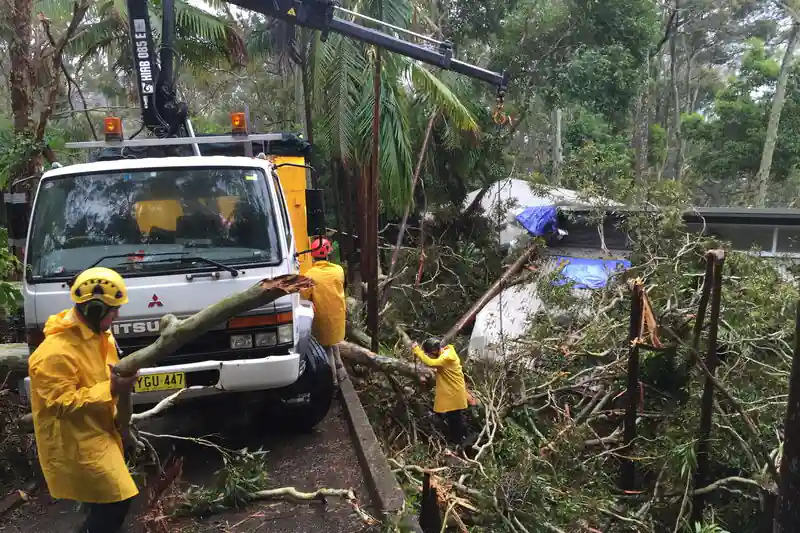
They generally follow a predictable process: hazard assessment, exclusion zone setup, and a plan for controlled dismantling. If the tree is hung up or lodged, they stabilise it before cutting so it cannot roll, twist, or drop unexpectedly.
Removal is often done in sections, with rigging to lower timber away from roofs, cars, and garden structures. Once safe, they clear debris, process logs, and leave the site accessible and tidy.
Do they need council approval or a permit in an emergency?
Rules vary, and St Ives can have tree controls depending on the site and species. In genuine emergencies, there are often provisions to remove imminent hazards, but documentation still matters.
They should keep dated photos and request a written arborist assessment where possible. If the tree is protected, they may need to notify council promptly after the work, especially if removal was unavoidable for safety.
How do they handle trees on roofs, fences, and driveways?
When a tree is resting on a structure, weight can be shared in unexpected places. Crews remove sections in a sequence that avoids sudden load shifts, using ropes and rigging to support timber as it is cut.
If access is blocked, they typically aim to reopen a driveway or entry first, then complete the dismantle. They also watch for roof punctures, gutter damage, and water ingress risks once branches are lifted away.
What if power lines are involved?
They should treat all lines as live and keep a safe distance. Only the electricity network operator or authorised line-clear arborists should work within the regulated clearance zones.
Emergency tree crews can assist once the site is declared safe or power is isolated, but they should not attempt to cut limbs entangled with service lines. The priority is preventing electrocution and secondary fires.
What should they expect to pay for emergency tree removal in St Ives?
Pricing depends on size, complexity, access, proximity to structures, and whether traffic or power coordination is required. After storms, costs can rise due to demand and the extra time needed for safe rigging and hazard control.
They can reduce surprises by asking for a clear scope: what is being removed now, what is being left safe for later, whether stump grinding is included, and how debris will be handled. Check out more about why experienced arborists North Shore residents trust matter.
How can they choose a reliable emergency tree removal team?
They should look for proper qualifications, insurance, and a clear safety process. A reputable team explains the plan, sets an exclusion zone, and avoids risky shortcuts.
They should also confirm they can manage the specific scenario, such as cranes for large failures, elevated platforms for unsafe climbing conditions, and experience with storm-damaged tensioned timber. Clear communication and written documentation are a strong sign they take risk seriously.
What can they do to reduce future storm damage?
They can arrange proactive pruning to reduce sail area and remove weak unions, deadwood, and overextended limbs. Regular inspections help identify decay, root issues, and structural defects before storms exploit them.
They can also improve outcomes by keeping trees clear of roofs and service lines where possible, and by addressing drainage or soil issues that contribute to root instability. Prevention is usually cheaper than emergency work, and it reduces the chance of sudden failure.
FAQs (Frequently Asked Questions)
What qualifies as an emergency tree removal situation in St Ives?
An emergency tree removal in St Ives occurs when a tree, limb, or uprooted root plate poses an immediate risk to life, buildings, roads, or essential access. Examples include trees leaning on homes, hanging branches over driveways, or fallen trees blocking public paths. Additionally, trees likely to fall with the next gust of wind are treated as urgent hazards requiring prompt action.
What steps should be taken immediately after storm damage involving trees?
After storm damage, it is crucial to keep people away from the affected area and assume the tree is unstable. Avoid standing under hanging branches or near lifted root plates. If power lines are involved, maintain a safe distance and contact the electricity network operator immediately. Taking photos from a safe distance for insurance purposes and reporting obstructed roads or footpaths to relevant authorities without attempting removal without proper traffic control is also advised.
How can one determine if a storm-damaged tree is unsafe?
Signs of an unsafe tree include cracking sounds, fresh splits in the trunk, sudden leaning stems, soil heaving around the base, and large broken limbs lodged in the canopy. Some trees may appear fine externally but have hidden internal fractures caused by twisting wind loads. A qualified arborist should assess failure points, weight distribution, and potential movement during cutting to decide if removal or staged dismantling is necessary.
Is it advisable to remove a storm-damaged tree by oneself?
Removing a storm-damaged tree yourself is not recommended if the tree is large, elevated, partially fallen, or near structures like buildings and fences. Storm-damaged timber can behave unpredictably due to tensioned fibres that may spring violently when cut. Professional crews use specialized rigging, controlled lowering techniques, climbing systems, elevated work platforms, and chainsaw methods tailored for storm scenarios to minimize risks of injury and secondary damage.
Do emergency tree removals in St Ives require council approval or permits?
Council rules vary in St Ives depending on site location and tree species. In genuine emergencies involving imminent hazards, provisions often allow for immediate removal; however, maintaining documentation such as dated photos and written arborist assessments is important. If protected trees are removed for safety reasons, prompt notification to the council after the work may be required.
How do professional crews handle trees resting on roofs, fences, or driveways after storms?
When a tree rests on structures like roofs or fences, weight distribution can be unpredictable. Professional crews remove sections sequentially to avoid sudden load shifts using ropes and rigging for support during cutting. They prioritize reopening blocked access points such as driveways before completing full dismantling while monitoring for roof punctures, gutter damage, and water ingress risks once branches are lifted away.
