
Experience matters most when conditions are messy, trees are stressed, and decisions are irreversible.
Why does arborist experience change the outcome of tree work?
Because experienced arborists spot problems earlier and choose safer, cleaner methods. They read structure, load, defects, and likely failure points with fewer guesses, which means fewer surprises mid-job.
They also know when not to cut. That judgement often prevents over-pruning, unnecessary removals, and the slow decline that follows bad decisions.
How do experienced arborists assess risk more accurately?
Arborists North Shore professionals look beyond what is visible at eye level. Cracks, included bark, decay pockets, poor unions, soil heave, and lean progression all tell a story, especially after storms or nearby construction.
They also consider targets. A tree over a driveway, fence, or neighbour’s shed requires a different management plan than the same tree positioned in an open lawn. Experienced Arborists North Shore specialists use their judgement to make accurate risk assessments, ensuring the job plan that follows is both safe and appropriate.
What makes North Shore conditions harder on trees?
Coastal winds, salt exposure, heavier rain events, and compacted suburban soils can stress trees in ways residents do not notice until failure happens. Add tight access, retaining walls, and close-set houses, and tree work becomes technical quickly.
Experienced arborists recognise these local pressures and adjust pruning, bracing, and maintenance schedules to suit, rather than applying generic cuts.
Why do residents trust experienced arborists around power lines and tight spaces?
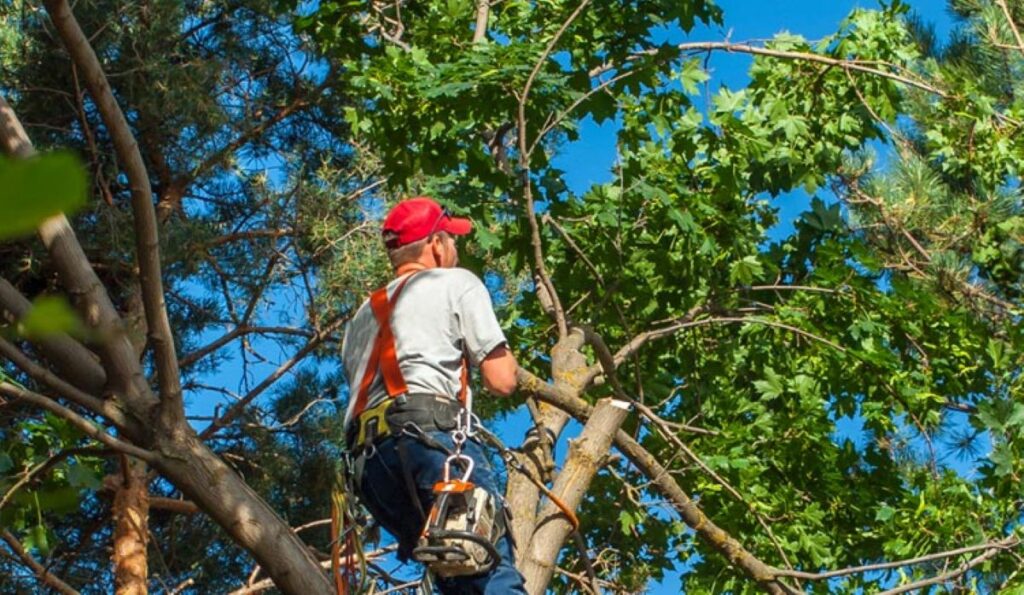
Because tight sites punish mistakes. Skilled arborists plan rigging, drop zones, and traffic control so limbs do not swing into roofs, windows, or wires.
They also know when the safest option is to coordinate with the appropriate utility provider or bring in elevated work platforms. That caution can feel slower, but it is often what prevents emergency callouts and insurance claims.
How does experience help protect tree health, not just remove branches?
They prune with a purpose. Instead of “tidying up,” experienced arborists aim to reduce weight, improve structure, and support the tree’s natural growth habits.
They avoid harmful practices like topping, excessive canopy stripping, or cutting into the wrong points. Over time, those shortcuts trigger weak regrowth, sunscald, decay, and higher failure risk, which becomes a cycle residents end up paying for.
When should a tree be removed, and why is that decision experience-dependent?
Removal is sometimes the right call, but it is easy to recommend when skills are limited. Experienced arborists usually explore options first: targeted pruning, cable bracing, pest and disease management, or staged reduction.
When removal is necessary, they can explain why in plain terms. They point to structural failure risk, irreversible decline, or conflicts with foundations and services, rather than vague opinions.
Other Resources : Trees on private land
What do experienced arborists do differently during storm preparation and cleanup?
They prioritise hazard reduction that actually holds up in wind. That might mean selective thinning, end-weight reduction, or correcting imbalanced canopies, depending on species and defects.
After storms, they triage properly. They identify hangers, split leaders, and compromised root plates, then sequence work to reduce secondary failures. That methodical approach helps keep residents, neighbours, and crews safer.
How can residents tell if an arborist is truly experienced?
They explain the “why,” not just the price. They inspect before quoting, talk through options, and recommend work that matches tree biology and site constraints.
They also welcome questions about qualifications, insurance, and approach. If they rush straight to heavy cutting, dismiss concerns, or cannot describe their method, residents often treat that as a red flag.
What questions should North Shore residents ask before approving tree work?
They can ask what outcomes the work is targeting, how much of the canopy will be removed, and what the plan is for rigging and site protection. They can also ask what risks exist if the work is delayed.
Good arborists answer clearly, set expectations, and document scope. That clarity helps residents compare quotes properly, instead of comparing only dollar amounts. Click here to get more about emergency tree removal St Ives: fast action after storm damage.
What is the real cost of hiring the wrong operator?
It often shows up later. Poor cuts can cause decline, deadwood, limb drop, and future removals that could have been avoided. Property damage can cost more than the entire job, and disputes with neighbours can start with one dropped limb.
Experienced arborists are rarely the cheapest line item, but they are often the most cost-effective choice over the life of the tree and the property.
Why do experienced arborists build long-term trust with residents?
Because they think in seasons, not single visits. They keep records, recommend realistic maintenance intervals, and help residents plan ahead for growth, shade, views, and safety.
That consistency is what many North Shore households value most. It turns tree work from reactive emergencies into predictable care, with fewer surprises and better outcomes.
FAQs (Frequently Asked Questions)
Why is hiring an experienced arborist important for tree work in North Shore?
Hiring an experienced arborist is crucial because they reduce risk, protect property, and make better long-term decisions about tree health. They understand the complexities of working around chainsaws, rooflines, and power lines, ensuring safer and more effective tree care in challenging conditions.
How do experienced arborists assess and manage risks associated with tree work?
Experienced arborists look beyond visible signs to identify cracks, decay pockets, poor unions, soil heave, and lean progression. They consider the tree’s location relative to targets like driveways or sheds and plan accordingly. Their expertise leads to accurate risk assessments and safer job plans that minimize surprises mid-job.
What challenges do North Shore environmental conditions pose to trees, and how do arborists address them?
North Shore trees face coastal winds, salt exposure, heavy rain events, and compacted soils that stress them uniquely. Experienced arborists recognize these pressures and adapt pruning, bracing, and maintenance schedules specifically for local conditions rather than relying on generic approaches.
Why should residents trust experienced arborists when working near power lines and tight spaces?
Tight sites increase the risk of damage during tree work. Skilled arborists carefully plan rigging, drop zones, and traffic control to prevent limbs from swinging into roofs, windows, or power lines. They also coordinate with utility providers or use elevated platforms when necessary to ensure safety and prevent costly emergency callouts.
How do experienced arborists contribute to the long-term health of trees beyond just branch removal?
Experienced arborists prune with purpose—reducing weight, improving structure, and supporting natural growth habits. They avoid harmful practices like topping or excessive canopy stripping that can lead to weak regrowth or decay. This thoughtful approach promotes healthier trees that are less likely to fail over time.
What indicators show that an arborist is truly experienced and trustworthy?
A truly experienced arborist explains the reasons behind their recommendations rather than just quoting prices. They conduct thorough inspections before quoting, discuss options clearly, welcome questions about qualifications and insurance, and tailor their methods to tree biology and site constraints. Rushing into heavy cutting or dismissing concerns are red flags for residents.
