
The easiest way to tell them apart is this: epaulettes signal rank, role, or formality on the shoulder line, whereas standard accessories usually signal style, function, or personal preference.
What are shoulder epaulettes?
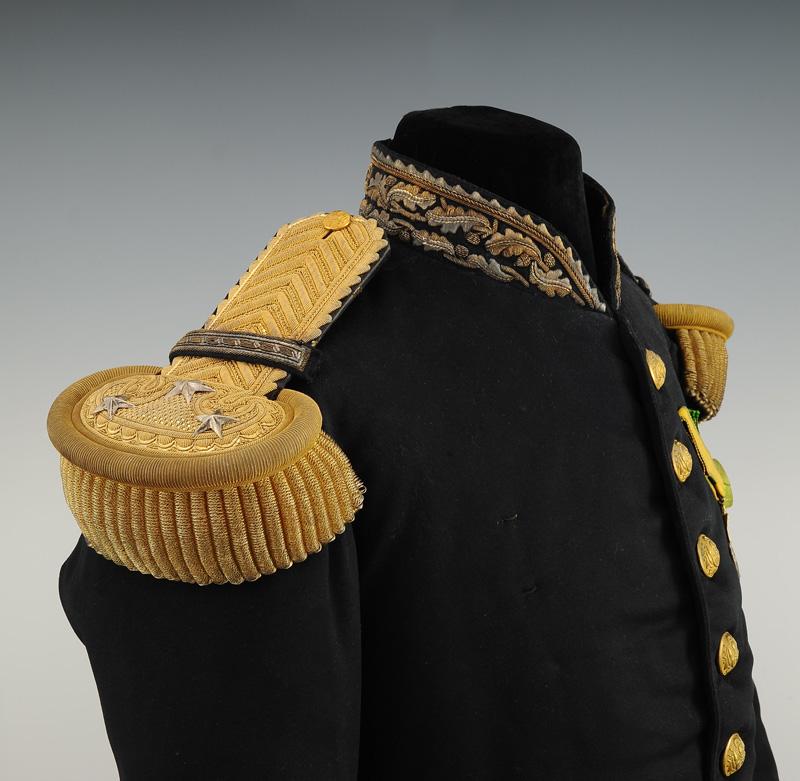
When comparing shoulder epaulettes, shoulder epaulettes are decorative or functional elements attached at the shoulder seam of a garment. They are commonly found on military, ceremonial, aviation, security, and some formal service uniforms.
They often carry insignia such as stripes, pips, fringes, or embroidered symbols. Because they sit on the shoulder, they draw the eye to posture and presence, which is one reason they became associated with authority and hierarchy.
What counts as “standard accessories”?
Standard accessories are the everyday add-ons people expect in clothing and uniforms, including items like ties, belts, hats, gloves, scarves, brooches, lapel pins, name tags, and standard badges. They can be purely decorative, practical, or both.
Unlike epaulettes, they are not defined by a single placement or construction. Most can be swapped quickly without altering the garment, and many are chosen for comfort, branding, or personal style rather than rank.
Where does the main difference show up: function or appearance?
The main difference shows up in function first, then appearance. Epaulettes are usually a system: they follow rules about who wears what, where, and when, especially in uniformed services.
Standard accessories are more flexible. They can support identity and dress codes, but they are less likely to be tied to formalised rank structures, and they usually do not reshape the silhouette the way shoulder pieces do.
Do epaulettes always indicate rank or status?
In uniforms, epaulettes often indicate rank, branch, or appointment, but not always. Some are purely ceremonial, and others are used to support equipment straps or create a sharper shoulder line.
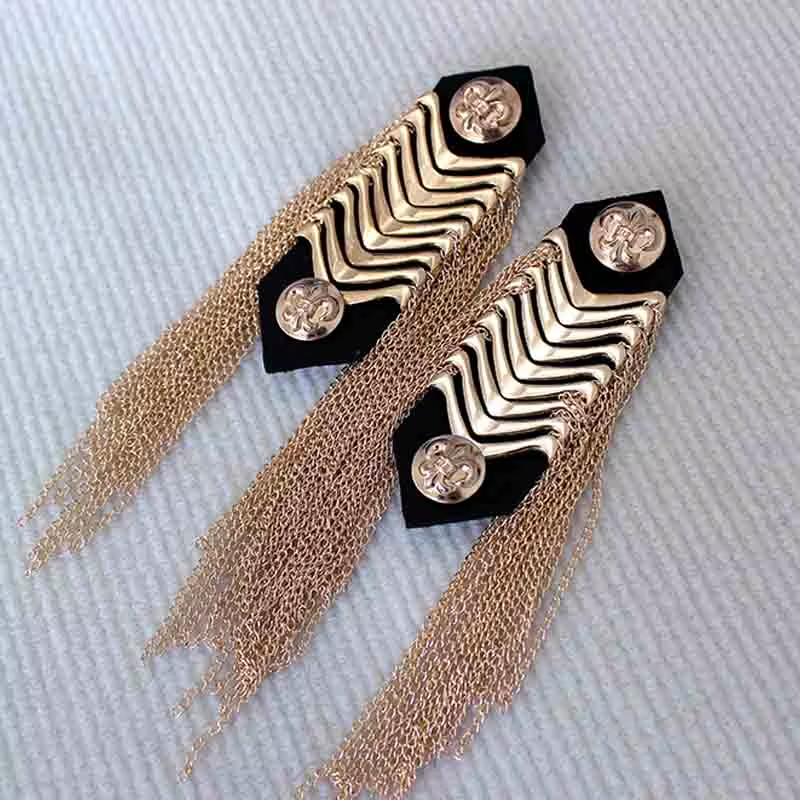
In fashion, epaulettes can be used with no official meaning at all. Designers borrow the visual language of authority for style, but the signalling becomes aesthetic rather than institutional.
How do epaulettes change the silhouette compared to standard accessories?
Epaulettes change the silhouette by emphasising the shoulder line and creating a broader, more squared shape. That makes the wearer look more structured and “set”, which is why they are common in formal uniforms and outerwear.
Most standard accessories do not affect body shape in the same way. A belt may define the waist, and a tie draws attention vertically, but they rarely create the same architectural shoulder emphasis.
How are shoulder epaulettes attached and constructed?
Epaulettes are typically stitched into the shoulder seam or secured with a button-and-loop or tab system. On uniforms, they may be fixed or removable, but even removable versions are built into the garment’s design.
They are also more “component-like” than many accessories. They may include stiffening, braiding, fringes, or reinforced fabric so they sit correctly and do not collapse when worn.
Are standard accessories easier to swap and personalise?
Yes, standard accessories are usually easier to swap and personalise. They are designed for quick changes, seasonal updates, or simple preference, such as changing a tie, pin, scarf, or belt.
Epaulettes can be removable, but the garment still needs the right anchors and proportions. That makes them less casual to change, and more likely to be governed by a uniform policy or a specific design intent. See are promotional lapel pins still effective in 2026.
When should they choose epaulettes over standard accessories?
They should choose epaulettes when the outfit needs formal authority, clear role signalling, or a structured shoulder line. This is common in uniforms, ceremonial dress, and some tailored outerwear.
They should choose standard accessories when the goal is flexibility, comfort, practicality, or a softer style statement. Standard accessories are also better when the wearer wants to adjust a look without committing to a uniform-like visual.
Can they wear both together without clashing?
Yes, they can wear both together, but balance matters. Epaulettes already add shoulder emphasis, so other accessories should avoid competing at the neckline and upper chest.
A simple tie, subtle pin, or clean belt usually pairs well. If the outfit already has strong shoulder detail, oversized necklaces, bulky scarves, or loud lapel pieces can make the top half look crowded.
What’s the simplest way to remember the difference?
A simple rule works: epaulettes are shoulder-based structure with heritage and signalling, while standard accessories are broader add-ons chosen for function or style. If the detail is built to frame the shoulder and communicate role, it is likely an epaulette.
If it is easily swapped and not dependent on shoulder placement, it is probably a standard accessory.
FAQs (Frequently Asked Questions)
What are shoulder epaulettes and their purpose in uniforms?
Shoulder epaulettes are decorative or functional elements attached at the shoulder seam of garments, commonly found on military, ceremonial, aviation, security, and formal service uniforms. They often carry insignia such as stripes or embroidered symbols to signal rank, role, or formality, emphasising posture and authority.
How do standard accessories differ from shoulder epaulettes?
Standard accessories include items like ties, belts, hats, scarves, badges, and jewellery that are usually removable and chosen for style, function, or personal preference. Unlike epaulettes which are structural and fixed on the shoulder line to indicate rank or formality, standard accessories offer flexibility without altering the garment’s silhouette significantly.
Do epaulettes always indicate rank or status?
While epaulettes often indicate rank, branch, or appointment in uniforms, they don’t always signify status. Some serve purely ceremonial purposes or support equipment straps. In fashion contexts, epaulettes may be used solely for aesthetic appeal without institutional meaning.
How do epaulettes affect the wearer’s silhouette compared to standard accessories?
Epaulettes emphasise the shoulder line by creating a broader and more squared shape, giving the wearer a structured and authoritative appearance typical in formal uniforms. Standard accessories generally do not alter body shape significantly; for example, belts define the waist but don’t impact shoulder structure.
Are standard accessories easier to personalise and swap than epaulettes?
Yes. Standard accessories are designed for quick changes and seasonal updates—such as swapping ties or pins—offering greater flexibility and personalisation. Epaulettes may be removable but require specific garment construction for attachment and are typically governed by uniform policies.
Can shoulder epaulettes and standard accessories be worn together without clashing?
Yes, they can be combined successfully with attention to balance. Since epaulettes add strong shoulder emphasis, other accessories should be subtle to avoid overcrowding the upper body. Simple ties or small pins complement epaulettes well, whereas bulky scarves or large necklaces might clash visually.
